
How to Eat Healthy on a Budget: The Truth About Food Costs + 12 Money-Saving Tips

If you've ever thought, "I want to eat healthier… but it's just too expensive" – you're not alone.
With the cost of living pressures, this can pop up as a concern.
But here's the truth: Eating healthy doesn't have to be expensive. In fact, it can actually save you money.
Here's what most people often miss too: the real benefit of eating well goes way beyond groceries. It's preventing the costs that come later – medications, health complications, missed work days, and the energy you lose to feeling bloated and unwell.
I've never hesitated to invest in my health because I know exactly what it costs me when I don't. And that's what I want for you too.
Let's break down where this belief comes from – and what actually works in real life.

Why People Think Healthy Eating on a Budget Is Impossible
It’s easy to see how this idea started. When you walk into the supermarket, you’ll notice things like premium “health” foods with high price tags, organic products that cost more, and pre-made “healthy” meals that seem expensive and wouldn’t feed the whole family.
So it looks like healthy eating costs more. But this comparison is often misleading.
When you’re only looking at these food items, you’re comparing convenience foods vs whole foods, packaged “health” products vs basic ingredients, and… this is an important one… unplanned shopping vs structured meal planning.
And that’s where a quick comparison can make healthy eating seem more expensive.
What Research Says About the Cost of Healthy Eating
When we look at the data, the answer is more nuanced.
Research shows that healthier diets can sometimes cost slightly more per day – but not by as much as people think.
For example, a systematic review and meta-analysis (a very strong type of evidence) published in BMJ Open found that healthier diets only cost around $1.50 more per day on average, while providing significantly better nutrition.
Further research in Australia by Zorbas et al and Lee et al show healthy diets are actually 15–21% cheaper than typical unhealthy diets. These researchers concluded that the real challenge isn’t the cost of healthy food – it’s the overall cost of food and how we’re spending our budget. (I dig into this more below!)
But here’s what most studies struggle to fully capture: Reduced takeaway spending, less food waste, better appetite control (so you buy less overall).
It also doesn't measure the medication you won't need, the doctor's visits you avoid, or the energy and brain power you gain to do better work and show up stronger in your relationships. Those savings? They're priceless.
And this is where things shift in a big way.
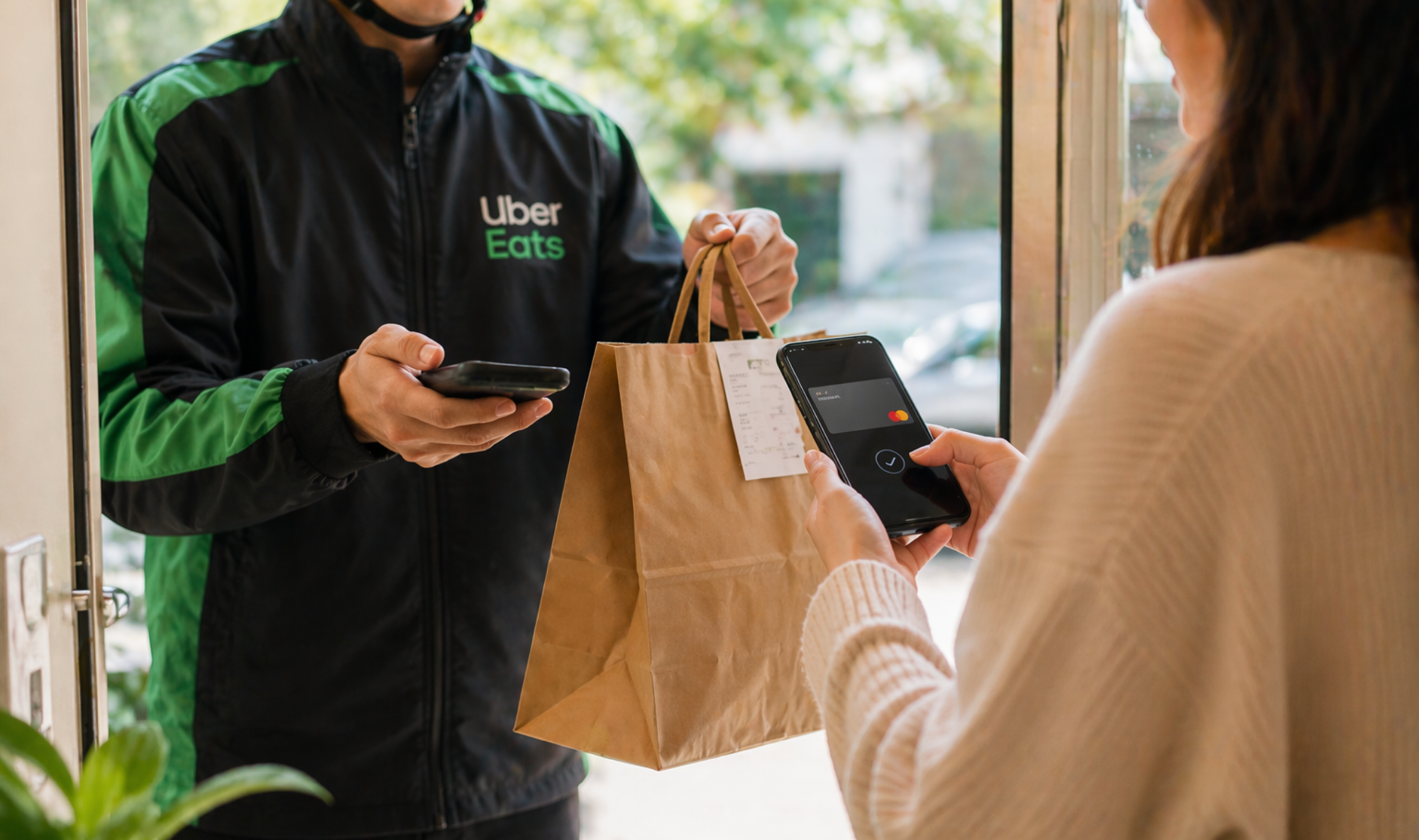
Can Eating Healthy Actually Save You Money? How to Eat Well on a Budget
Yes – especially when you follow a structured approach. But here's the thing: the money you save on groceries is actually the smallest benefit. The real investment is in preventing long-term health costs and gaining the energy to actually live your life.
This is something I consistently see with women inside my programs.
When you follow a meal plan, you:
Stop impulse buying
Use ingredients more efficiently
Waste far less food
Cook more meals at home
And all of that reduces your overall food spend. It’s not just about what you buy – it’s how you shop and use it.
How Meal Planning Helps You Save Money (and Time)
One of the biggest game-changers for eating healthy on a budget is having a plan.
Without a plan, you’re more likely to buy random ingredients that don’t turn into meals, forget what’s in your fridge, and resort to takeaways when you’re tired.
With a plan, you shop with purpose, reuse ingredients across meals, and… my absolute favourite… cook once and eat multiple times!
And importantly, you save time. And we all know time equals money.
Because when time is tight, that’s when expensive, last-minute food deliveries happen.
How to Eat Healthy on a Budget: Practical Tips That Work
I recently asked my Tribe community to share their best money-saving tips – and there were so many good ones!
Here are the exact strategies our members are using every week to keep their grocery bills down – while still eating healthy, balanced meals.

Tip #1: Buy in Bulk and Portion It Out
Buying larger quantities – especially meat and budget-friendly pantry staples – is often significantly cheaper per kilo.
Many members shared that they buy in bulk, then portion, label, and freeze everything at home. This makes it easy to grab exactly what you need for each meal without waste. It also saves you having to return to the grocery store next time you need that ingredient!
Tip #2: Cook Once and Eat Multiple Times
Doubling recipes is one of the simplest ways to save both time and money.
Instead of cooking every night, members either eat the same meal the next day or freeze extra portions for later. This reduces the number of ingredients you need to buy and cuts down on cooking costs (and time!). My Slow Cooker Butter Chicken recipe is always a firm favourite for this ‘cook once and eat multiple times’ sort of meal.
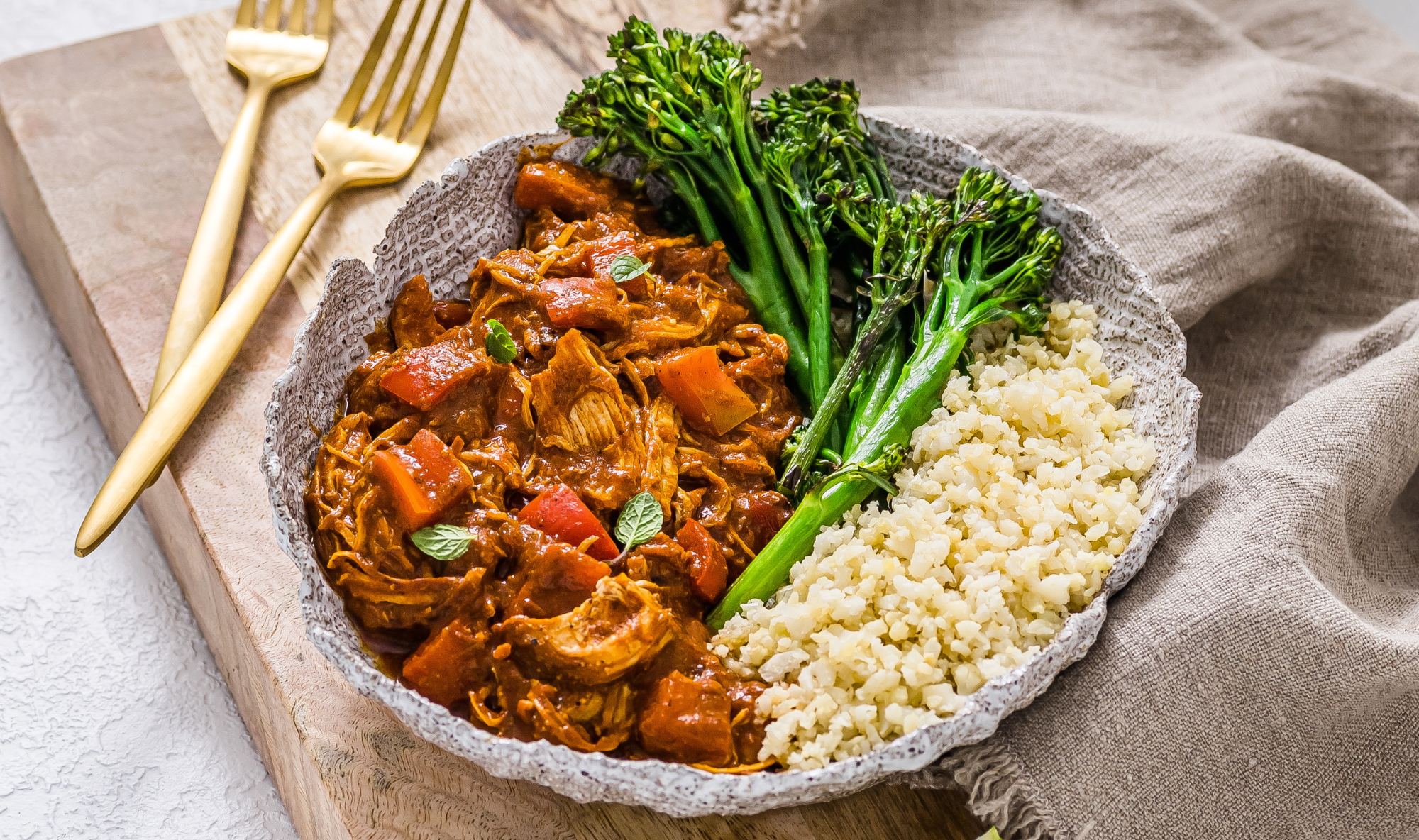
Tip #3: Use Your Freezer Strategically
The freezer came up as one of the most powerful tools for saving money.
Members regularly freeze leftover ingredients like coconut milk, stock, and herbs.
This helps prevent food waste and means nothing gets thrown out.
Tip #4: Shop the Specials and Stock Up
Rather than buying everything at full price each week, many members wait for sales.
They stock up on staples like nuts, coffee, almond meal, cheese, and pantry items when they’re discounted, which reduces their long-term grocery spend.
Tip #5: Choose Frozen Fruit and Vegetables
Frozen produce is a consistent go-to. Frozen fruit and veg is often more affordable, lasts much longer, and is just as (if not more!) nutritious. It also means you’re far less likely to waste food.
I personally love to always have my freezer stocked with frozen berries, bananas, cauliflower rice, and spinach to add to my meals and save.
Tip #6: Plan Your Meals Before You Shop
Meal planning is one of the biggest game-changers. Members who plan their meals in advance and shop with a clear list find they spend less, avoid impulse purchases, and waste far less food.
And let's be honest – when you have a plan, you're not just saving money. You're investing in your peace of mind.
No more 3pm energy crashes. No more bloating. No more feeling desperate and reaching for takeaway. That's worth far more than the cost of groceries.
Tip #7: Shop Smarter Across Different Stores
Many members don’t rely on just one supermarket. They compare prices, use stores like Aldi for staples, and shop at local markets or fruit and veg stores where produce is often cheaper.
Tip #8: Focus on Nutrient-Dense, Budget-Friendly Proteins
As I’ve already pointed out in my intro, healthy eating doesn’t require expensive foods.
Members regularly use more affordable protein sources like chicken, mince, and tinned fish, and save pricier options like steak or salmon for when they’re on special.
They also use cooking methods like slow cooking to make cheaper cuts of meat tender and stretch meals further.
Tip #9: Batch Prep Snacks and Staples
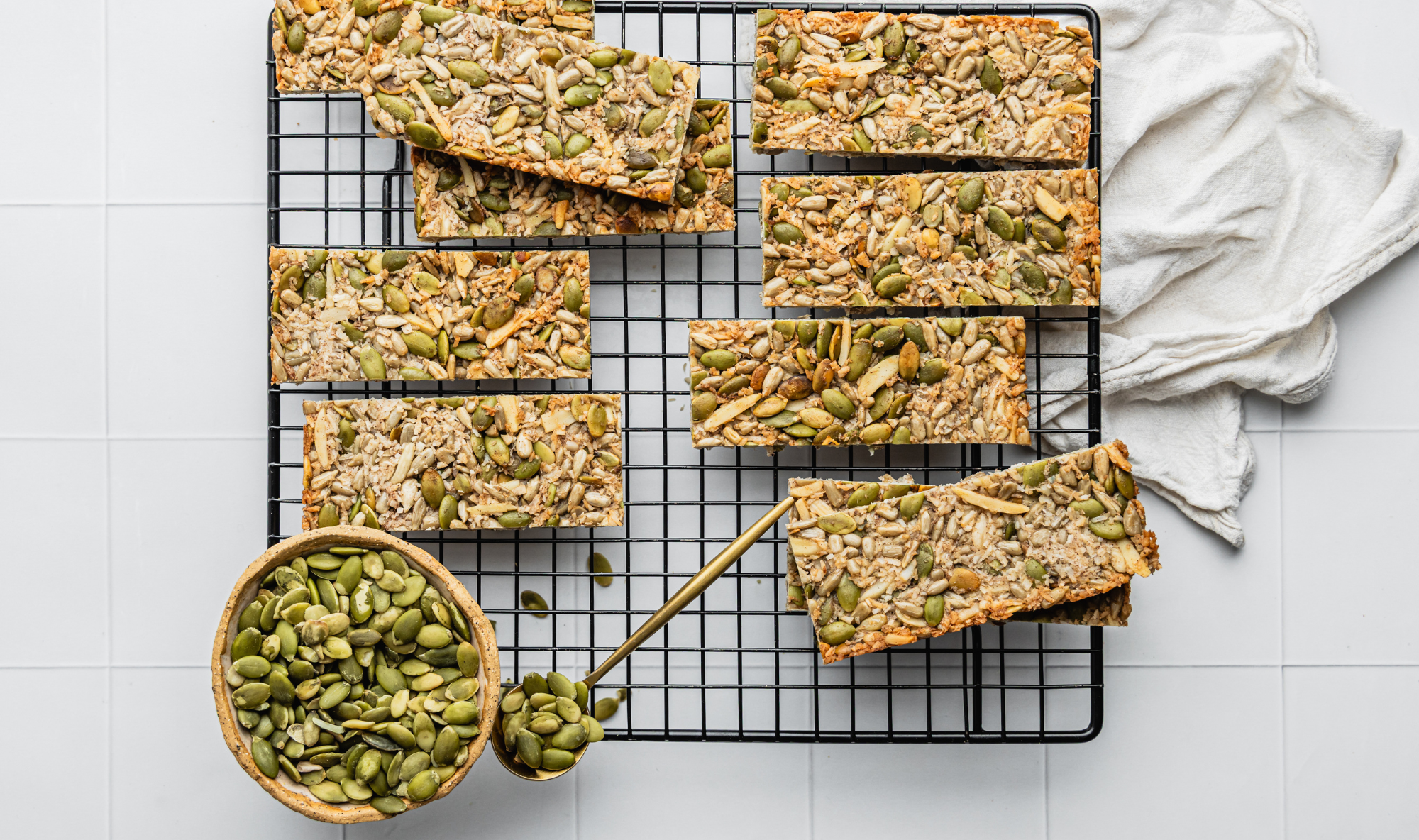
Instead of buying packaged snacks, many members prepare their own in bulk.
They’ll make a few recipes from their meal plans in my programs or the Eat Cake Lose Weight eBook at once, portion them out, and freeze them. This saves both money and time during the week.
Tip #10: Avoid Impulse Spending
Simple habits make a big difference. With many members highlighting their top strategies:
Not shopping when hungry
Shopping online to avoid unnecessary extras
Sticking strictly to a list
These small changes can significantly reduce overspending.
Tip #11: Buy In-Season and Shop Local
Buying produce that’s in season is often much cheaper. Some members also shop at local growers or markets, where seasonal prices can be significantly lower than major supermarkets.
Tip #12: Reduce Food Waste Wherever You Can
A major theme across all tips was minimising waste. Members make an effort to use up what they already have, freeze anything they won’t use in time, and repurpose leftovers into new meals.
The common theme across all of these tips is simple:
It’s not about cutting back on healthy food – it’s about being more intentional with how you shop, cook, and use what you buy.
A Simple Mindset Shift Around Healthy Eating
Instead of asking: “Is healthy eating more expensive?”
A better question is: “Am I spending my food budget in the most effective way?”
When you eat well and approach it intentionally:
You feel better
You have more energy
You reduce long-term health risks
You’re more productive
Healthy food isn’t just a cost – it’s an investment in how you feel every day and how you’ll feel in the future.
The Bottom Line: Is Eating Healthy Expensive?
No – not when you approach it the right way. In fact, eating healthy and following a plan can:
Lower your overall food spend
Reduce takeaway costs
Save you time during the week
Help you feel your best
And most importantly, invest in your long-term health so you don't need medications or have to manage preventable health complications down the track.
Healthy eating doesn't have to break the bank – in fact, affordable, sustainable weight loss is entirely within reach when you have the right plan and support.
And that’s exactly what I focus on inside my programs. Simple, structured meal plans designed to reduce bloating, support fat loss, keep you full and satisfied, and make your grocery shop go further.
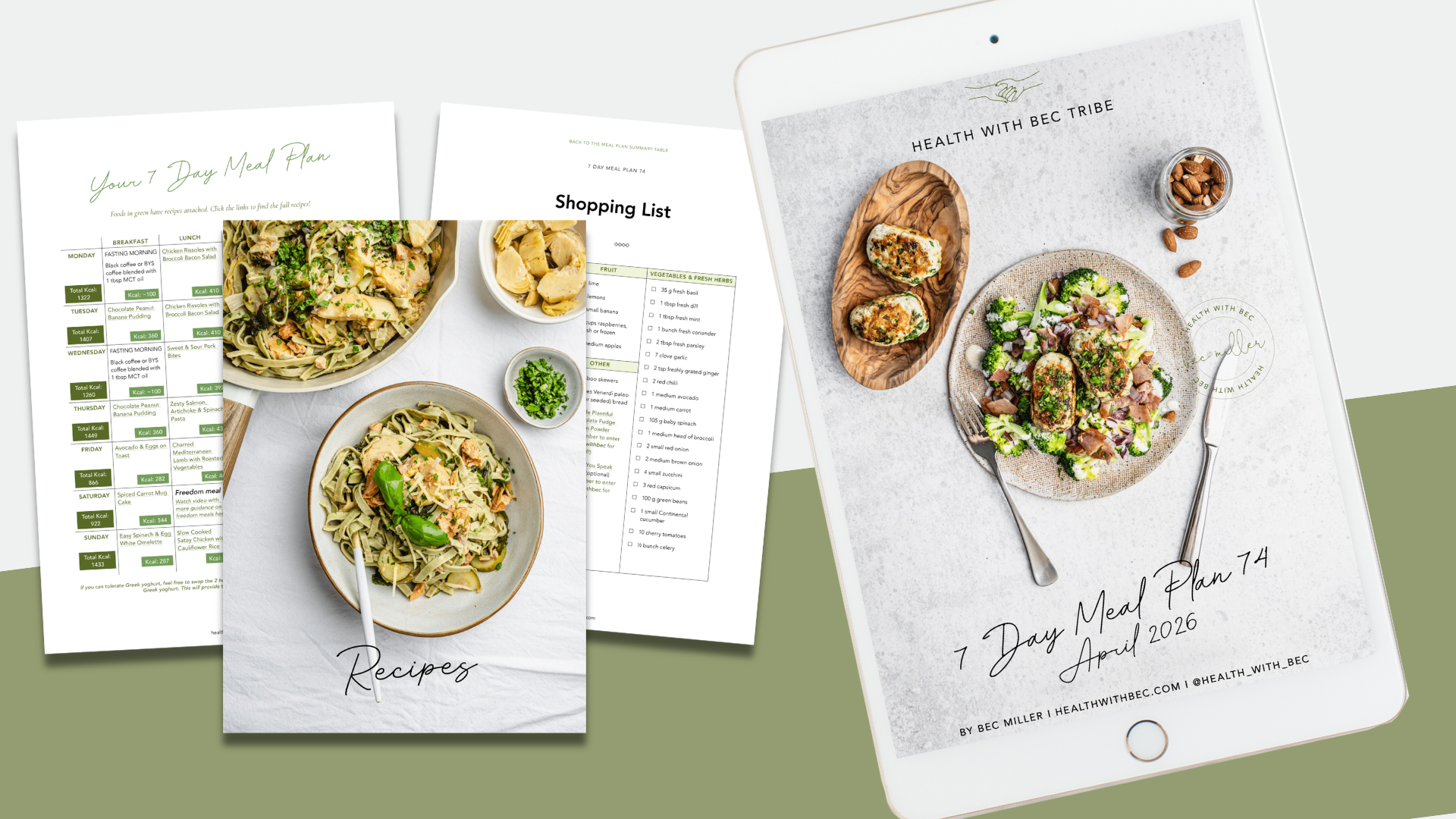
Start with my 3 Week Body Reset– Simple, structured meal plans designed to reduce bloating, support sustainable fat loss, and invest in your long-term health from the inside out...
Inside, you’ll get:
- Done-for-you meal plans and shopping lists
- Education to help you eat well and understand your body
- A supportive community of women on the same journey
Then, continue your journey in the Health with Bec Tribe – where you’ll:
- Continue to lose weight affordability and sustainably
- Get new recipes, meal plans, and ongoing education
- Be supported and held accountable by me and an incredible community of women
Because here's the truth – investing in your health with the right support and community isn't a luxury. It's the smartest decision you'll make.
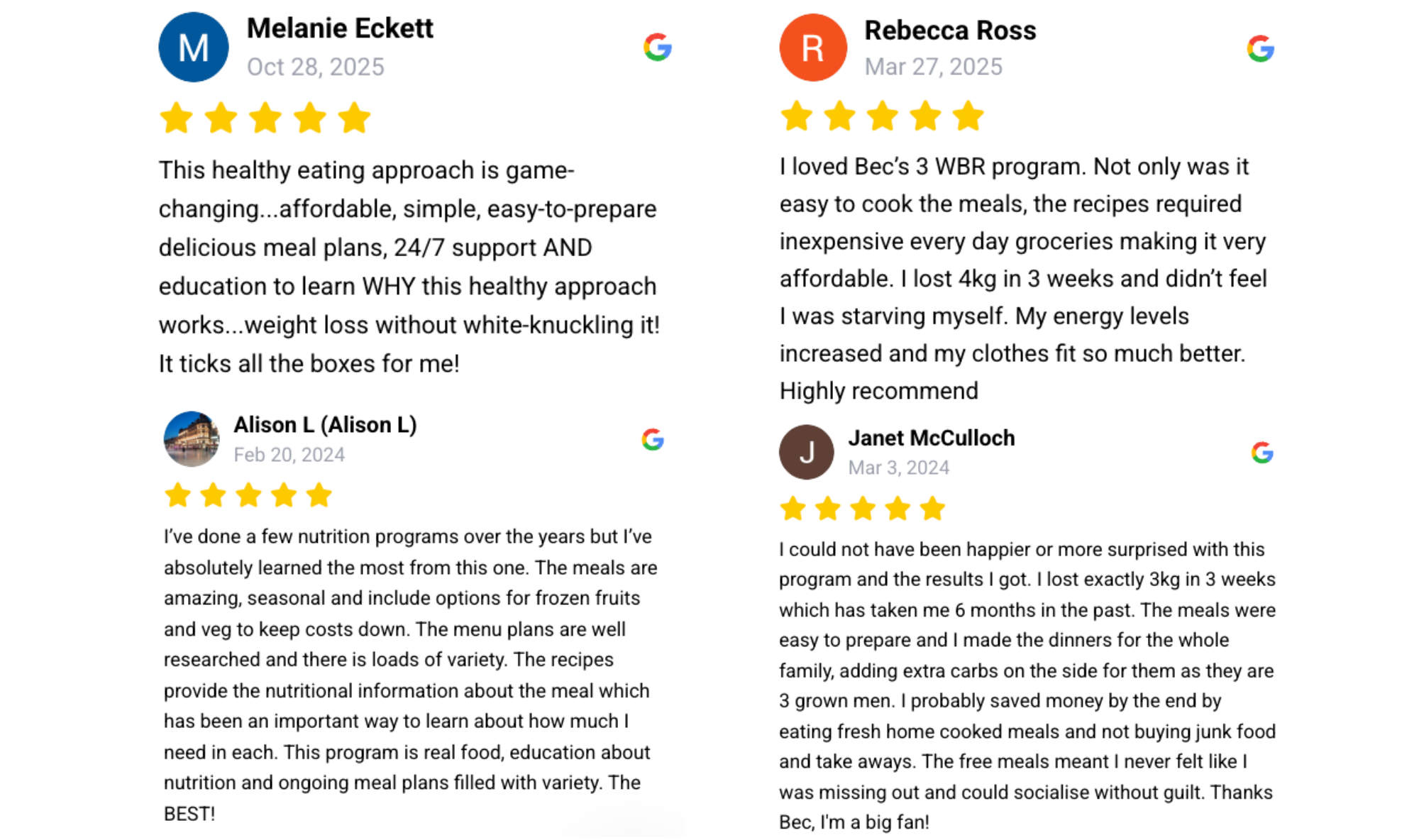
You don’t have to figure it all out alone – I’ve helped tens of thousands of women worldwide break free from the yo-yo dieting rollercoaster and regain their confidence and freedom with food, and I’d love to help you do the same.